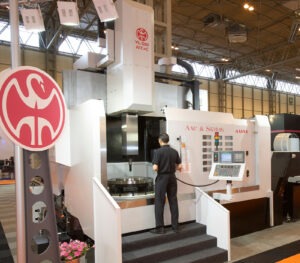
Vertical Lathes vs Manual Lathes
When it comes to lathes, there are two primary contenders in the arena: vertical lathes and manual lathes. Each of these machines has its unique features and applications, catering to a wide range of machining needs. Whether you are a seasoned machinist looking to expand your knowledge or a business owner contemplating an equipment purchase, understanding the differences between vertical lathes and manual lathes is essential.
In this blog, we will delve into the distinctions and comparative advantages of these two machining powerhouses. By the end of this exploration, you’ll be better equipped to make the right choice for your specific machining requirements, whether they involve intricate precision or versatile flexibility.
1. Automation and Operation
Vertical Lathes: Vertical lathes, also known as vertical turning centres or VTLs, are generally automated and computer-controlled machines. They are designed for precision, heavy-duty, and high-production machining operations. Vertical lathes are capable of both turning (rotating a workpiece) and milling (removing material) operations, often in a single setup.
Manual Lathes: Manual lathes, on the other hand, are operated manually by machinists or operators. These lathes require skilled human intervention to set up and control the machining process. They are versatile but less automated than vertical lathes.
2. Precision and Repeatability
Vertical Lathes: Vertical lathes offer high precision and repeatability due to their computer control systems. They can execute complex machining tasks with consistent accuracy, making them ideal for industries like aerospace and automotive manufacturing.
Manual Lathes: Manual lathes can achieve precision but often to a lesser degree compared to vertical lathes. The precision of manual lathes depends on the skill and experience of the operator.
3. Workpiece Size and Weight
Vertical Lathes: Vertical lathes are typically larger and more robust, capable of handling large and heavy workpieces. They are designed for heavy-duty applications where size and weight are significant factors.
Manual Lathes: Manual lathes come in various sizes, and their capacity depends on the specific machine. They are suitable for smaller to medium-sized workpieces.
4. Complexity of Machining
Vertical Lathes: Vertical lathes excel at machining complex shapes and contours due to their computer-controlled precision. They can perform intricate milling operations in addition to turning, making them versatile for a wide range of tasks.
Manual Lathes: Manual lathes are versatile but may require more effort and time to set up and execute complex machining operations. They are often used for simpler turning tasks.
5. Automation and Productivity
Vertical Lathes: Vertical lathes are highly automated, which results in increased productivity for high-volume machining tasks. They can run continuously with minimal operator intervention.
Manual Lathes: Manual lathes require operators to be present throughout the machining process, which can limit productivity for large production runs.
6. Skill Level Required
Vertical Lathes: Operating vertical lathes typically requires specialised training to program and oversee the CNC (Computer Numerical Control) system.
Manual Lathes: Manual lathes require skilled machinists who have expertise in manual operation and tool handling.
In summary, vertical lathes and manual lathes serve different machining needs. Vertical lathes are highly automated, precise, and suitable for complex and high-volume production, while manual lathes are more versatile but require skilled operators and are typically used for smaller-scale machining tasks. The choice between the two depends on the specific requirements of the machining project and the available resources.
If you would like to discuss your requirements with our experienced team, contact Axe & Status today.