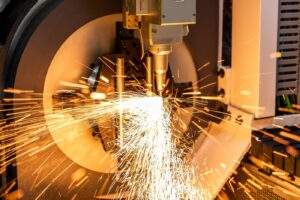
A fibre laser cutting machine is one of the most valuable assets in any fabrication workshop and like any precision machine, it performs best when it’s properly looked after. The good news is that most fibre laser maintenance is quick, routine and easily handled by the operator. Stay on top of it, and you’ll enjoy sharper cuts, less downtime and a machine that lasts for years.
This guide sets out a practical maintenance checklist daily, weekly, monthly and annual to keep your fibre laser running at its best.
Why fibre laser maintenance matters
Regular maintenance isn’t just good housekeeping; it directly protects your bottom line. Clean optics and a well-calibrated machine mean every cut is as accurate as the last. Catching small issues early prevents them from becoming major, production-halting failures. And routine care reduces wear on the most expensive components the cutting head, optics and laser source maximising the life of your investment. A little time each day genuinely saves significant money and frustration down the line.
Daily maintenance checklist
These quick checks should become second nature at the start or end of each shift:
- Inspect the protective lens (cover window). Check for spatter, dust, black spots or cracks. Contamination here is critical a dirty lens reduces cutting quality and can be burned instantly by the beam, damaging costlier optics behind it. Clean with a lint-free wipe and high-purity isopropyl alcohol, or replace if damaged.
- Check the nozzle. Look for slag, blockages or deformation. Even slight damage disrupts gas flow and edge quality, so clean it or replace it if the orifice isn’t perfectly round.
- Check assist gas. Confirm your nitrogen, oxygen or air supply is at the correct pressure and free of moisture and oil.
- Check the chiller. Confirm coolant levels and temperature are correct the chiller protects the laser source, and overheating can cause serious damage.
- Clear the machine. Empty slag drawers, remove offcuts from the cutting bed, and blow metal dust from the bellows and rails.
- Check for alerts. Note any diagnostic warnings the machine flags.
Weekly maintenance checklist
Weekly tasks focus on cleaning and keeping the motion system smooth:
- Clean and lubricate the guide rails, rack-and-pinion and lead screws, following the manufacturer’s lubrication schedule.
- Clean the bellows and way covers thoroughly to keep debris out of the motion system.
- Inspect cables and hoses for any signs of wear or damage.
- Check and clean the extraction/fume filtration system.
- Back up your machine settings, parameters and cutting data to guard against loss.
Monthly maintenance checklist
Monthly checks address the deeper mechanical and cooling systems:
- Full lubrication of moving components per the maintenance schedule.
- Check the chiller in detail coolant condition, clean or replace the water filter, and inspect the water circuit for leaks.
- Inspect belts and drive systems for wear.
- Replace extraction filters as needed.
- Check gas lines and fittings for leaks.
- Clean the electrical cabinet’s ventilation filter so components dissipate heat properly.
- Re-check machine level and calibration to maintain cutting accuracy.
Annual maintenance (professional service)
Once a year, your fibre laser should have a thorough professional service by a qualified engineer. This typically includes beam alignment and axis calibration, a laser source and power check, inspection and replacement of optics and consumables, replacing the chiller’s coolant, checking electrical connections and safety systems, and applying any software updates. A professional service is the ideal complement to your routine care the two together keep the machine reliable and accurate for the long term. Many businesses cover this with a maintenance contract, which we explore separately in our guide to CNC machine servicing.
Tips to protect your machine
A few best practices make all the difference:
- Handle optics with care. Always wear gloves, never touch lenses bare-handed, and clean using lint-free wipes and high-purity isopropyl alcohol, wiping in one direction rather than scrubbing.
- Change optics in a clean environment. Dust is the enemy turn off workshop fans and avoid changing lenses in a dusty area.
- Use OEM consumables. Manufacturer-specified nozzles and lenses preserve alignment and performance.
- Never neglect the chiller. It safeguards your most expensive component, so keep coolant clean and at the right temperature.
- Keep a maintenance log. Recording every check and part change helps you spot patterns and stay ahead of wear.
- Prioritise safety. Power down before inspecting fibre cables or internal components, and only let trained personnel carry out alignments and repairs.
Keeping your fibre laser in top condition
Consistent maintenance is the single best way to protect your investment, and it needn’t be complicated a few minutes of daily care, some weekly and monthly checks, and an annual professional service will keep your machine cutting accurately and reliably for years.
At Axe & Status, we don’t just supply fibre laser cutting machines we support them, with professional servicing, maintenance and technical expertise to keep your equipment performing at its best. Whether you need advice, spares or a service, our team is here to help. Get in touch to keep your fibre laser in peak condition.
Frequently Asked Questions
-
How often should a fibre laser be serviced?
A fibre laser needs daily operator checks, weekly and monthly cleaning and inspection, and a full professional service once a year. Daily attention to consumables like the protective lens and nozzle has the biggest impact on cut quality and reliability.
-
What daily maintenance does a fibre laser need?
Each shift, inspect the protective lens and nozzle for damage or contamination, check the assist gas and chiller, clear slag and debris from the bed and rails, and note any diagnostic alerts. These quick checks protect cut quality and prevent costly damage.
-
Why is the protective lens so important?
The protective lens shields the cutting head's expensive internal optics from dust, smoke and spatter. If it becomes contaminated, the high-energy beam can burn it and damage the optics behind it, so it should be checked daily and kept scrupulously clean.